

eLITHE introduces a methodology for energy flexibility at the Applied Science and Engineering Conference
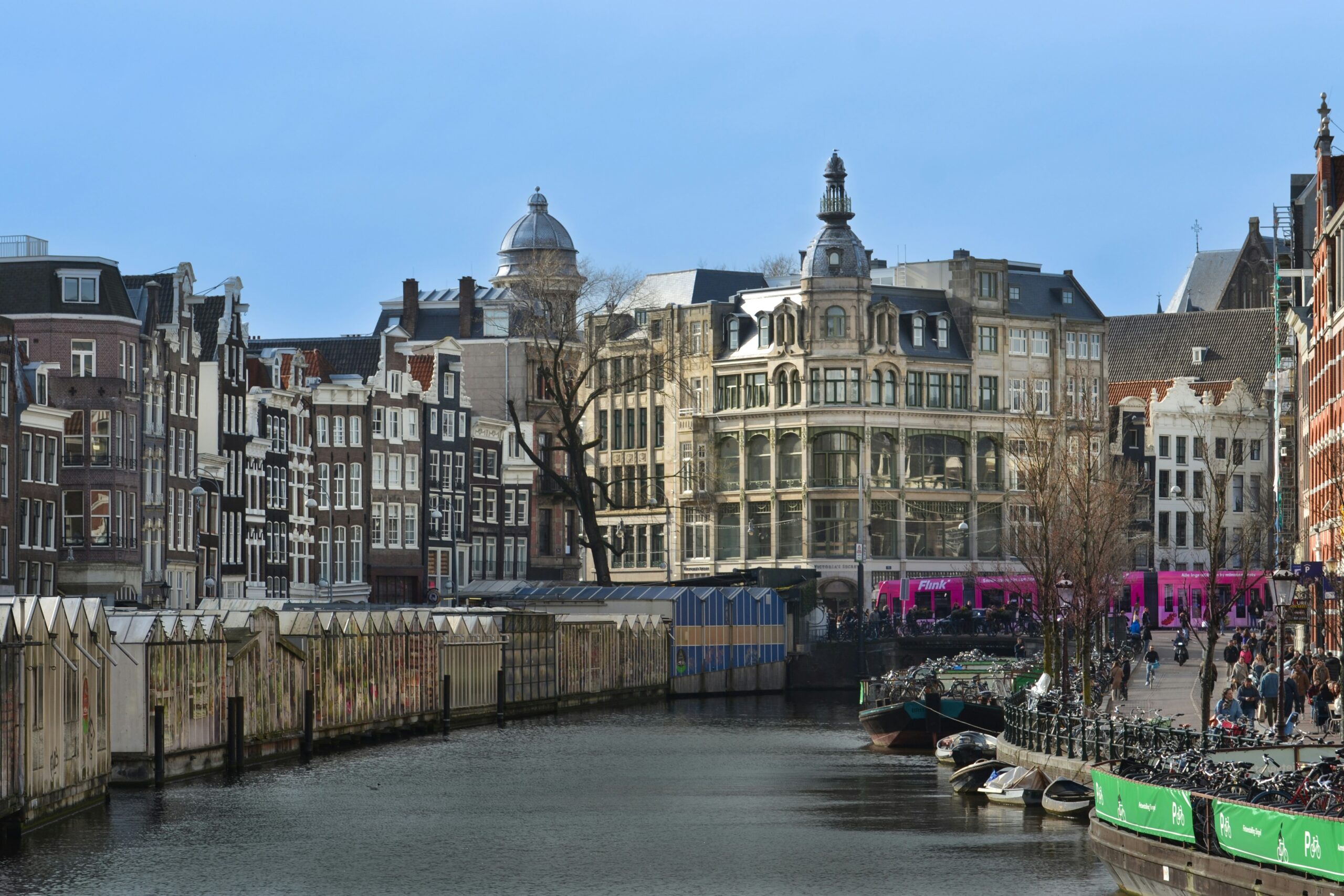
At the 5th International Conference on Applied Science and Engineering, held on June 26, 2025, in Amsterdam, Juan Aranda and Laureana Luciani from CIRCE presented a contribution developed within the European project eLITHE. Their work focused on a new audit methodology for assessing energy flexibility in industrial settings.
Their presentation, titled “An advanced and innovative Methodology for Energy Flexibility Audits in Industrial Environments”, introduced a method for conducting energy flexibility audits in energy-intensive industries, with particular attention to high-temperature sectors such as ceramics and glass.
The core idea of the work is that, beyond reducing consumption, companies can achieve tangible benefits by managing their energy use more flexibly. In other words, being able to shift consumption over time, in response to market conditions or grid needs, can generate cost savings, emissions reductions, and new business opportunities.
The presentation outlined, step by step, the structure of the flexibility audit, which builds on several elements of traditional energy audits but focuses on:
- identifying flexibility sources (processes, storage, hybrid systems),
- quantifying shiftable power,
- assessing costs and benefits,
- and defining optimal operational strategies.
The methodology was validated through real case studies involving two companies: one in the ceramic sector (frit melting and brick firing) and one in the glass sector (container production). The results show that, even in contexts with low electrification and limited flexibility, there is significant room for improvement, especially through:
- electrification of high-temperature furnaces,
- the introduction of alternative fuels such as green hydrogen,
- the installation of energy storage systems (both electrical and thermal),
- and the use of digital tools for energy management.
One particularly relevant aspect concerns the use of decision support systems (DSS) that, thanks to real-time forecasting and automated optimization, can guide industrial facilities towards more efficient and flexible energy use—adjusting hour by hour to prices, demand, and on-site generation availability.
The methodology presented as part of the eLITHE project provides a practical tool for assessing and enhancing energy flexibility in industrial environments. The results from the case studies confirm that even in complex sectors like ceramics and glass, new opportunities for efficiency and sustainability can emerge through a more dynamic approach to energy management.
Photo Credits: Carmen Feria on Unsplash