


Advancing glass industry electrification: research on materials
The eLITHE partner, Consejo Superior de Investigaciones Científicas (CSIC, the Spanish Research Council), has been conducting research on the characterization of materials used in glass production. Their work focuses on both the raw materials to be processed and the refractory materials that compose the furnaces subject to electrification.
This research identifies the key factors, from a material science perspective, that make a material suitable for the glass industry. The team has determined the critical parameters affecting the electrical conductivity of glass and refractory materials.
Aitana Tamayo, the lead researcher, explains: “We received materials from the companies involved in the project, including various types of glass. Our goal was to analyse their structural, physical, and technical properties to determine which are best suited for further research. This knowledge is essential for developing new materials that will enable the electrification of the glass industry.”
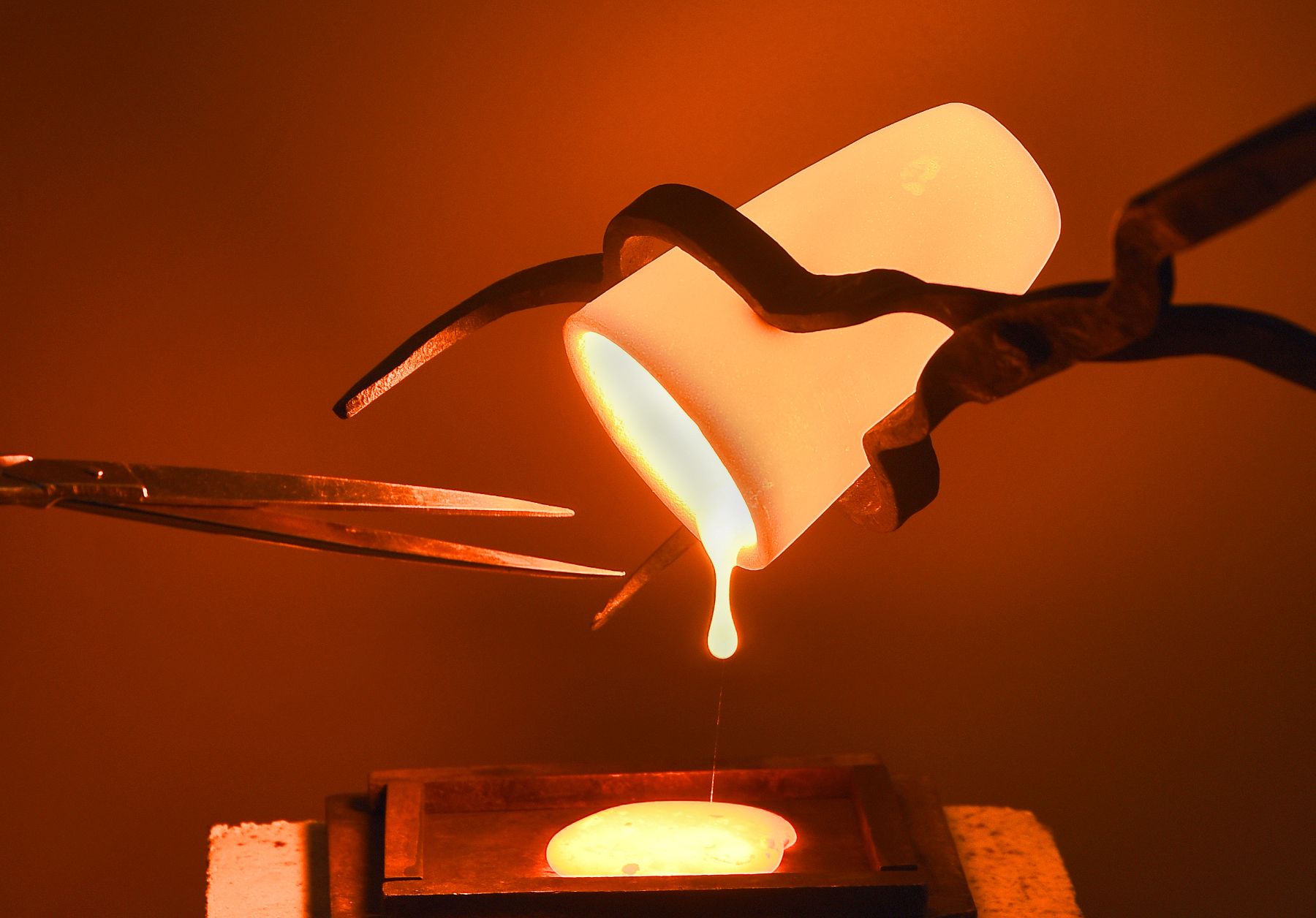
“We identified the molten glass materials with the best electrical and thermal conductivity, as well as those most compatible with the refractories,” Tamayo adds. “If the melt is not conductive, it won’t work in the electrified glass industry. The electrification of this sector is still in its early stages, and for the first time, we are pinpointing industrial materials that can be integrated into this technology.”
While the research builds on existing materials, further improvements are necessary to optimize them for electrification. The research was focus on selecting materials but also about testing whether they function effectively. Establishing the fundamental properties of both glasses and refractory materials is crucial for future research, benefiting both industry and academia. “The glass sector requires continued innovation in material science to support its transition toward electrification”, added Tamayo.
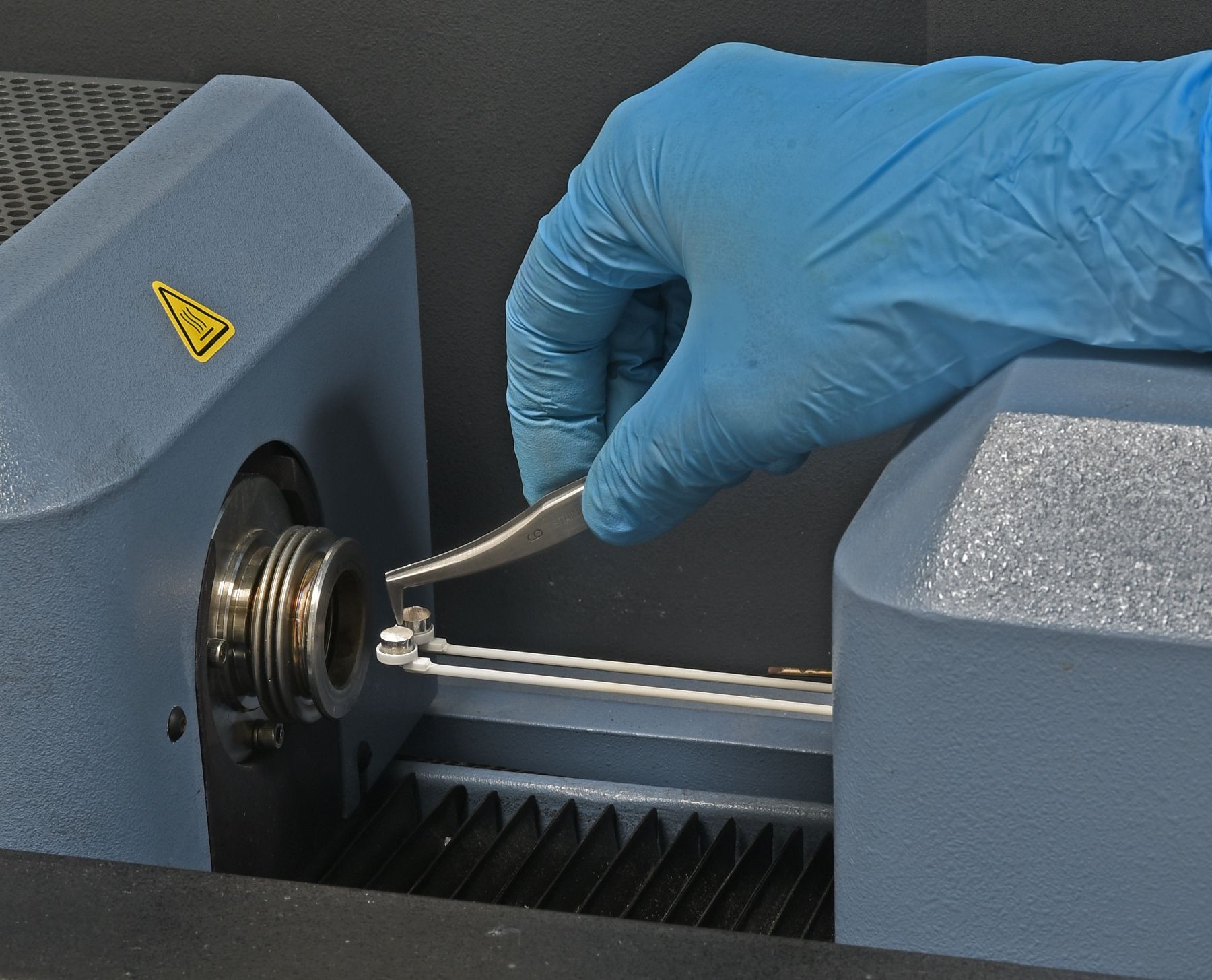
Tamayo emphasizes the importance of modifying materials to enhance sustainability in glass production. “At this stage, we can use the materials as they are, but to make the glass industry more sustainable—reducing high energy consumption and preventing excessive emissions—we need to refine these materials further. Otherwise, the high-power demands could lead to continued environmental impact.”
“Our work sits at the intersection of fundamental and applied research. This basic research is critical for the industry to develop new and improved products” concludes Tamayo.